

BLOG
Employee Disengagement: The Cancer We Already Have the Cure For
Every once in a while, someone says something that stops me in my tracks.
Recently, I was talking with a highly rated business speaker about overwhelm and time management. He described overwhelm as “a cancer we already know how to cure, but people won’t do the work.”

The Hidden Cost of Underutilized Strengths at Work
Most organizations spend a tremendous amount of time trying to improve performance. They invest in hiring, training, technology, processes, and productivity initiatives. Yet one of the biggest performance opportunities often goes unnoticed: employees who are capable of contributing far more than their current role allows.

The Founder’s Trap: When Success Becomes the Thing Holding You Back
Most founders are the reason their business exists today. They had the vision, took the risks, solved the problems, built the relationships, and did whatever was necessary to keep moving forward.
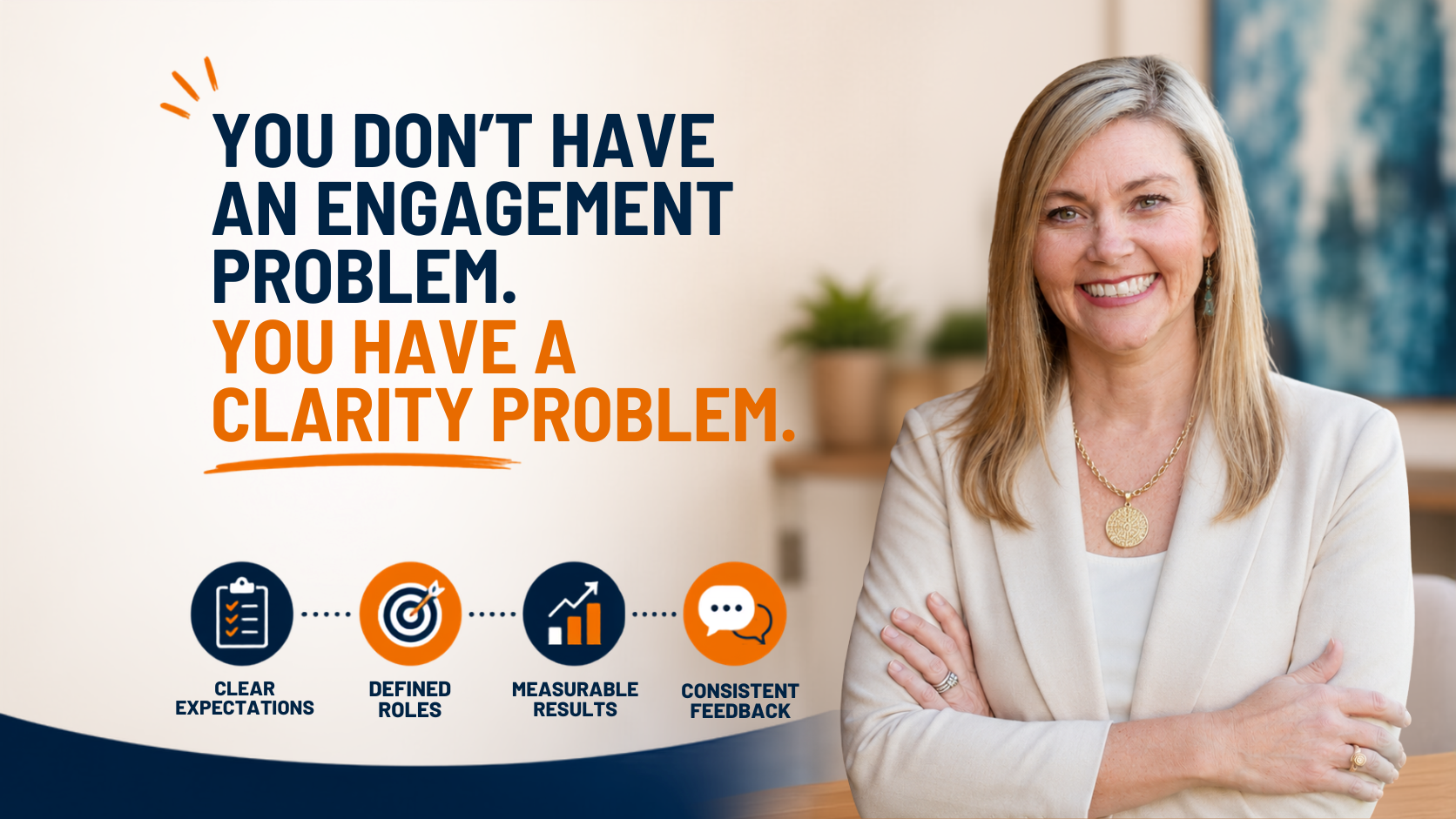
You Don’t Have an Engagement Problem. You Have a Clarity Problem
When engagement drops, most organizations treat it as a morale issue. They focus on culture initiatives, surveys, and perks. But in many cases, engagement is not the root problem. It is the result of something else: lack of clarity.

Engagement Breaks Down When Leaders Fill in the Gaps Themselves
Most leaders believe they understand why their team is disengaged. They assume it is workload, compensation, or attitude. They interpret behavior through their own perspective and make decisions based on what they believe is happening. The problem is not that leaders do not care. The problem is that they are filling in gaps instead of actually understanding them.

Stop Managing Personalities. Start Understanding Predictive Patterns.
Most leaders believe they are managing people effectively. They follow the golden rule and manage people the way they would like to be managed themselves. What this approach misses is the fact that we’re all quirky, wired differently, and bring different needs to the table.

Being Direct Isn’t Mean, It’s Respectful Leadership
In a recent conversation on You’ve Got People Problems, Melissa Ortiz and Anne Chapman, Chief People Officer at the Louisiana SPCA, tackled a common leadership challenge: the avoidance of direct communication. Their conversation highlighted that avoiding difficult feedback, while well-meaning, often leads to confusion and eroded trust.

The Cost of Getting It Wrong: When the Right Person Is in the Wrong Seat
In many organizations, performance challenges are quickly attributed to the individual. Leaders assume someone is not capable, not motivated, or not the right fit. But often, the issue is not the person. It is the seat they are in. A capable, committed employee, especially one who is an excellent culture fit, WILL still struggle when the role does not align with how they are naturally wired to work.

Why Role Clarity Is the Foundation of Right People Right Seats
When performance begins to slip, leaders often ask a familiar question: Do we have the right person in this role? Sometimes the answer is yes. But in many organizations, the deeper issue is not the person. It is the seat itself. Roles evolve as companies grow. Responsibilities expand. Priorities shift. When expectations are not clearly defined, even strong performers can struggle.

How Leadership Improves When You Understand Decision Making Styles
Many leaders believe consistency is the key to good leadership. They communicate expectations clearly. They explain priorities. They approach decisions the same way across the team. And yet, some employees move quickly while others hesitate. Some ask for more information. Others take action immediately and adjust along the way.

Why Aren’t They Hearing Me?
Most leaders believe they communicate clearly. Priorities are explained. Expectations are outlined. Direction is given. And yet, weeks later, the results do not match the intent. Teams move in slightly different directions. Managers find themselves repeating instructions. Leaders begin wondering why alignment feels harder than it should.

Why Assumptions Create Friction at Work
In growing organizations, friction rarely begins with conflict. It often begins with assumptions. A manager assumes expectations were clear. An employee assumes priorities shifted. A team assumes someone else owns the responsibility.

How to Reset Expectations After Performance Issues and Restore Forward Motion
Most leaders believe in second chances. They want to be fair. They want to support growth. They want to give someone the opportunity to correct course. That instinct is healthy. Where organizations lose momentum is not in offering second chances. It is in failing to reset expectations clearly after performance has drifted.
How to Break Down Organizational Silos as Your Company Grows
As organizations grow, leaders often notice something subtle but important. Cross-functional collaboration becomes harder. Decisions take longer. Information does not move as smoothly between departments.

The Clarity Gap at Work
The clarity gap at work is the space between what leaders believe they have communicated and what employees actually understand.

Why Avoiding Direct Feedback Creates Bigger Problems Later
Avoiding direct feedback rarely feels like a leadership mistake in the moment. It often feels thoughtful, patient, or considerate.

The Importance of a Team Talent Audit
A team talent audit helps organizations identify role misalignment, untapped potential, and flight risks before they become costly problems.

Navigating the Transition: End-of-Year Change Management
Whether it's dealing with financial closures, adjusting to staff turnover, or preparing for the new year's objectives, the end of the year is a time of significant transformation.

Annual Performance Analysis: Metrics That Matter
In the dynamic world of business, conducting an annual performance analysis is not just a routine check-up; it's a critical process for identifying the health and potential of your organization.