The Founder’s Trap: When Success Becomes the Thing Holding You Back

Most founders are the reason their business exists today. They had the vision, took the risks, solved the problems, built the relationships, and did whatever was necessary to keep moving forward.
In the early stages, that level of involvement is exactly what the company needs. The founder’s ability to jump in, make decisions, and quickly remove obstacles is often what creates momentum.
But as the business grows, something starts to change. The same behaviors that helped the company succeed can eventually become the behaviors that prevent it from scaling.
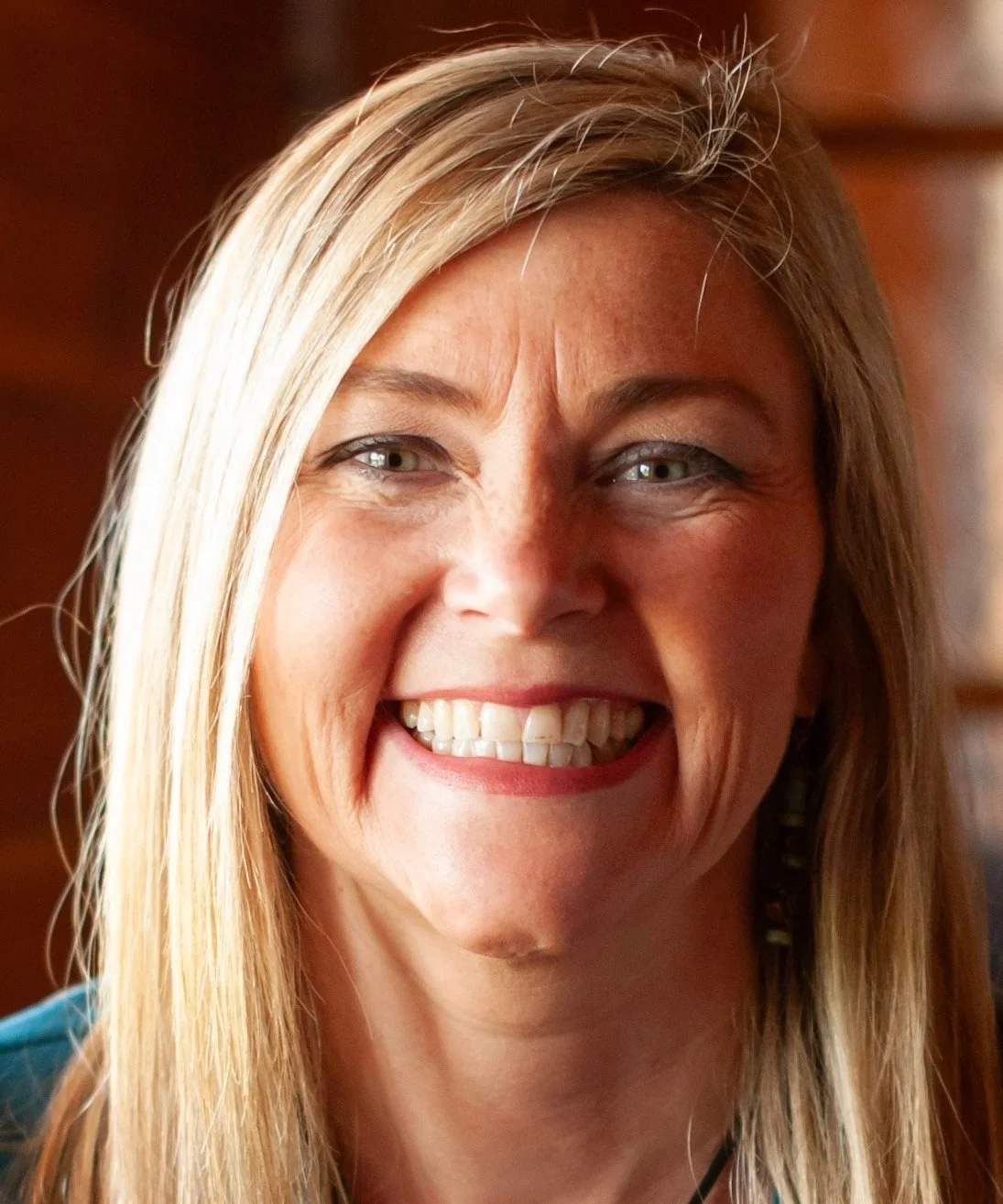
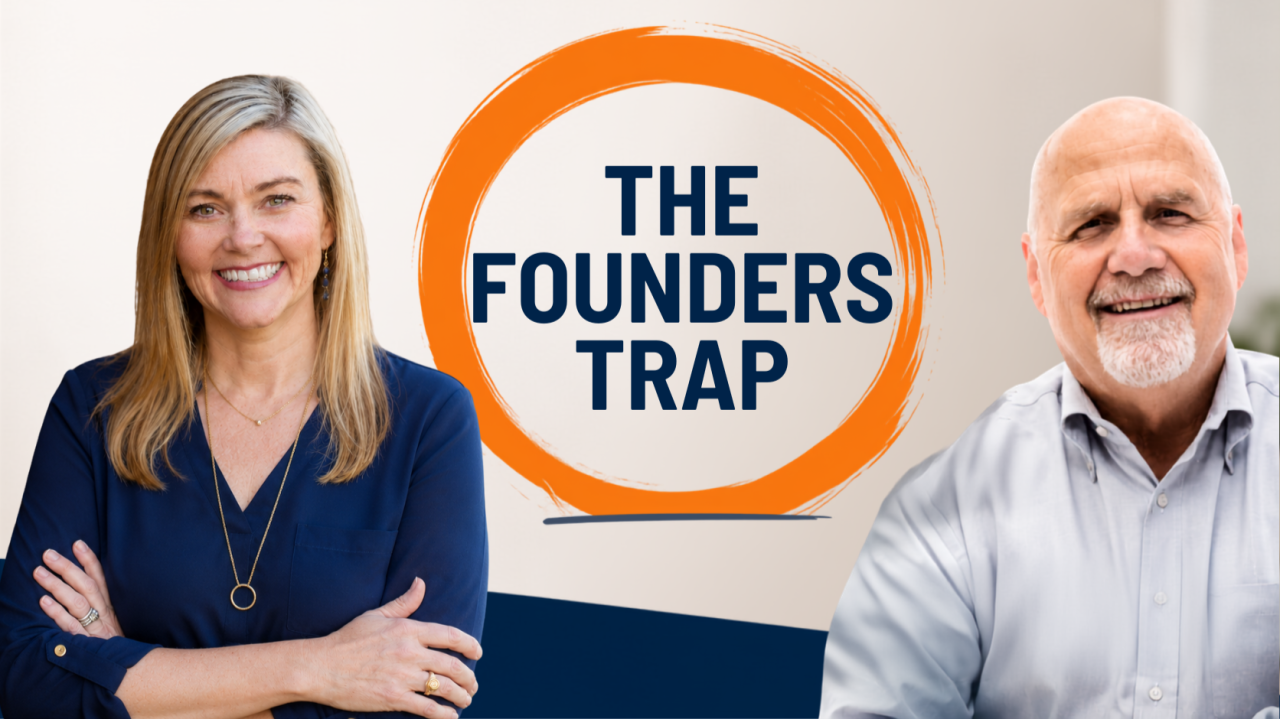
In a recent episode of You’ve Got People Problems, Melissa Ortiz sat down with Glenn Patch to discuss the challenges many founders and family businesses experience as they grow. They explored why founders often become the biggest bottleneck in their organization, why transitioning leadership is more complicated than most people expect, and how companies can build a foundation that lasts beyond one individual.
When the Founder Becomes the Center of Everything
Many founders become the go-to person for every major decision because, for a long time, that was exactly what the business needed.
They knew every customer relationship, understood every detail of the operation, and had the experience to solve problems quickly. When something went wrong, everyone knew who could fix it.
The challenge is that what works at one stage of business can create limitations at the next stage.
Over time, employees may stop making decisions because they are waiting for approval. Managers may hesitate to take ownership because they know the founder will eventually step in. The organization becomes trained to rely on one person instead of developing leaders throughout the business.
The founder is trying to help, but unintentionally creates a company that cannot operate without them.
The Shift From Solving Problems to Building Leaders
One of the hardest transitions for any founder is moving from being the person who solves every problem to becoming the person who develops others who can solve problems.
This requires a completely different approach to leadership.
Founders have to create clarity around roles, expectations, and decision-making authority. They have to allow leaders to make decisions, learn from mistakes, and build confidence.
That does not mean lowering standards or walking away from the business. It means creating the systems and leadership structure needed for the company to continue growing.
The goal is not for the founder to become less valuable. The goal is for their knowledge, expectations, and vision to exist throughout the organization instead of only living with them.
Why Succession Is More Than a Transition Plan
For family businesses, the Founder’s Trap becomes even more complicated because the business represents more than revenue. It represents years of sacrifice, relationships, reputation, and legacy.
Many organizations think about succession as deciding who will take over someday, but successful transitions require much more than choosing the next leader.
The next generation needs time to build trust, gain experience, and develop their own leadership style before they are responsible for carrying the company forward.
Without intentional preparation, businesses risk putting future leaders into roles before they have the clarity, confidence, or authority they need to succeed.
Building a Company That Can Thrive Beyond the Founder
The strongest businesses are not the ones where every decision runs through the founder. They are the ones where the founder has successfully built leaders who understand the vision and can execute without constant involvement.
That requires trust, delegation, accountability, and a willingness to let the organization evolve.
Every founder should ask themselves:
“If I stepped away for 90 days, what would happen?”
Would the team continue making decisions? Would leaders step up? Would customers continue receiving the same level of service?
Or would everything pause until you returned?
The answer often reveals whether you have created a scalable organization or a company that still depends on one person.
The greatest legacy a founder can create is not just building a successful business. It is building a business that continues to succeed long after everything stops running through them.
Watch the full episode:
Discover how Activate Human Capital Group can transform your workplace with our unique employee engagement strategies and strengths-based approach. Don't miss the chance to enhance your team's performance and satisfaction. Contact us today to start the conversation about your organization's future!